
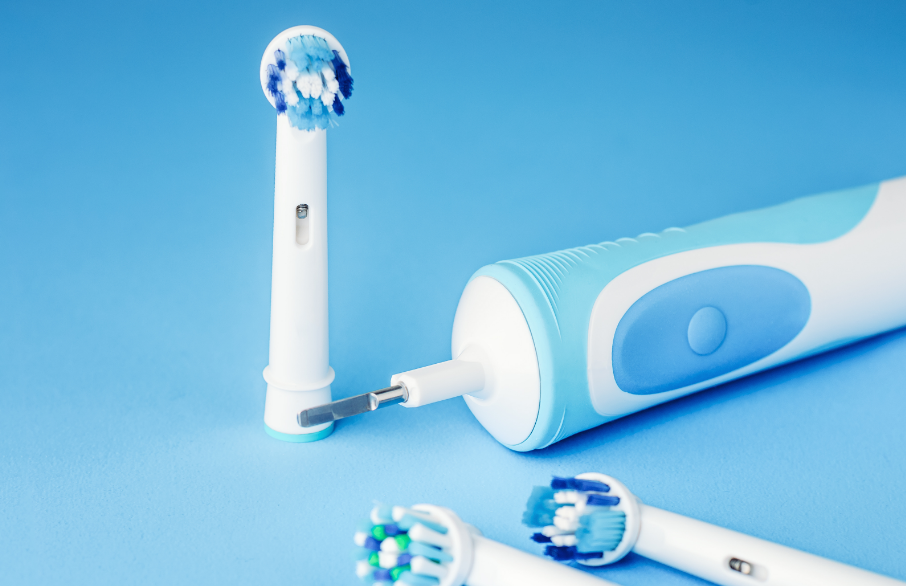
As children grow, their oral hygiene habits should grow with them. While a manual toothbrush works well for younger kids, there comes a point when an electric toothbrush can offer added benefits. Many parents wonder when the right time is to make the switch. The answer depends less on age alone and more on your child’s development, coordination, and brushing habits.
Why Electric Toothbrushes Can Help Kids
Electric toothbrushes are designed to make brushing easier and more effective. The oscillating or vibrating motion helps remove plaque more efficiently than manual brushing when used correctly. For kids who rush through brushing or struggle to maintain proper technique, an electric toothbrush can help compensate for uneven pressure or missed spots. Many models also include timers, which encourage brushing for the full recommended two minutes.
Age vs. Readiness
Most children can begin using an electric toothbrush around ages 3 to 6, but readiness matters more than the number on the calendar. A good candidate is a child who can spit out toothpaste reliably, follow instructions, and hold the brush steadily. Younger children may still need help from a parent, but they can start learning how to use an electric toothbrush safely with supervision.
Signs Your Child Is Ready
Your child may be ready for an electric toothbrush if they can brush independently without chewing on the bristles, understand gentle brushing pressure, and show interest in improving their routine. Children who already have a solid brushing and flossing habit often benefit the most from an electric toothbrush because they are more likely to use it properly and consistently.
Choosing the Right Electric Toothbrush
Not all electric toothbrushes are created equal, especially for kids. Look for a child-sized brush head with soft bristles and a handle that fits comfortably in small hands. Many kid-friendly options feature fun designs, lights, or music timers that make brushing more engaging. Avoid models that are too powerful, as excessive vibration can irritate sensitive gums and developing teeth.
Safety and Supervision Still Matter
Even after switching to an electric toothbrush, parental involvement remains important. Young children should be supervised while brushing to ensure they’re using the brush correctly and not applying too much pressure. Parents can also help guide the brush along the gumline and hard-to-reach areas until the child’s coordination improves.
Electric Toothbrushes and Flossing
It’s important to remember that an electric toothbrush doesn’t replace flossing. While brushing cleans tooth surfaces, flossing removes plaque and food debris between teeth where brushes can’t reach. Teaching children to floss regularly alongside brushing helps establish a complete oral hygiene routine that supports long-term dental health.
Making the Transition Smooth
Switching to an electric toothbrush can be exciting rather than intimidating. Letting your child help choose their toothbrush or turning brushing into a fun routine can increase enthusiasm. Introducing the brush gradually and praising good habits helps reinforce positive behavior and builds confidence.
An electric toothbrush can be a helpful upgrade when your child shows readiness and consistency in their oral care routine.
About the Practice
Dentists at Orenco for Kids provides compassionate, child-focused dental care designed to support healthy smiles from the very first tooth through adolescence. Dr. Royse and Dr. Beltzner are passionate about preventive dentistry services that focus on education, routine cleanings, and personalized guidance to help children build strong oral hygiene habits at home.
Call us at (503) 640-6565 or request an appointment online.